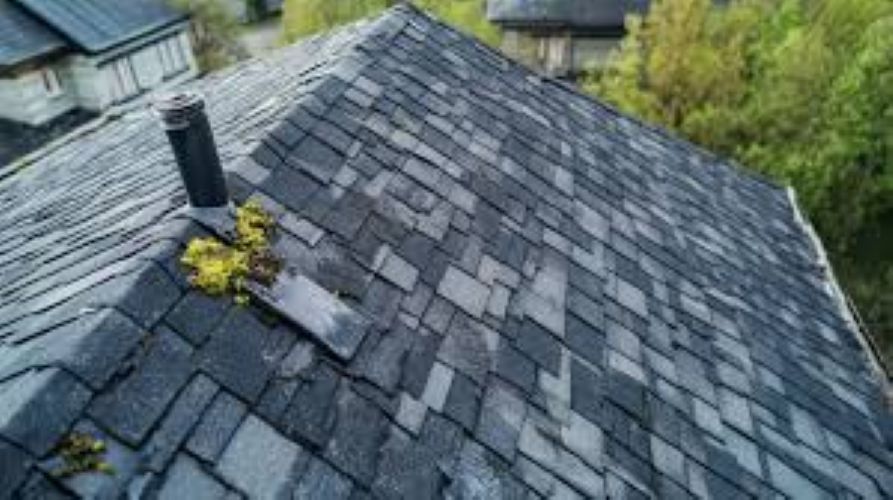
Roof & Gutter Damage After Winter: What Spring Inspections Often Reveal
Winter can be tough on a home’s roof system. Snow loads, freeze–thaw cycles, and ice accumulation place stress on shingles, flashing, and gutter systems. By the time spring arrives in New Jersey, the damage may not always be obvious from the ground—but it can become clear during a thorough inspection.
Spring is one of the best times to evaluate how a roof system performed during winter. Identifying damage early can prevent leaks, interior water damage, and costly structural repairs.
Why Winter Causes Roof Damage
During winter, several conditions combine to stress roofing systems:
Snow accumulation adds significant weight
Freeze–thaw cycles expand small cracks
Ice dams trap water beneath shingles
Wind-driven snow pushes moisture into vulnerable areas
As temperatures rise and snow melts, these hidden issues begin to show themselves.
Common Roof Problems Found After Winter
1️⃣ Damaged or Lifted Shingles
Shingles can crack, curl, or lift due to temperature fluctuations and winter winds. Even small areas of damage can allow water infiltration during spring rainstorms.
2️⃣ Flashing Separation
Flashing around chimneys, skylights, and roof penetrations is designed to keep water out. Winter expansion and contraction can loosen flashing, creating entry points for moisture.
3️⃣ Ice Dam Damage
Ice dams occur when melting snow refreezes near roof edges. Water trapped behind ice dams can back up beneath shingles and enter the home.
Signs may include:
Water stains in attic insulation
Damaged roof decking
Interior ceiling stains
4️⃣ Clogged or Damaged Gutters
Gutters often fill with debris over the winter months. Ice buildup can also bend or separate gutter sections.
Blocked gutters prevent proper drainage and may cause water to overflow near the foundation.
5️⃣ Fascia and Soffit Deterioration
Water that backs up in gutters can damage fascia boards and soffits, leading to wood rot and potential pest entry points.
Why Spring Roof Inspections Matter
Spring provides an ideal opportunity to assess roof performance before heavier seasonal rainstorms begin.
For homeowners, this means identifying small issues before they become leaks.
For buyers, it provides valuable information about roof condition and expected maintenance.
For sellers, addressing roof concerns early can prevent inspection negotiations from derailing a transaction.
What Inspectors Look For
During a roof inspection, we evaluate:
Shingle condition and coverage
Flashing installation and integrity
Roof penetrations and sealant condition
Gutter attachment and drainage
Visible attic signs of roof leakage
Ventilation and moisture conditions
A complete evaluation helps determine whether repairs, maintenance, or further specialist review may be needed.Prevention Tips for Homeowners
✔ Clean gutters and downspouts after winter
✔ Check for visible shingle damage from ground level
✔ Ensure downspouts direct water away from foundation
✔ Trim branches hanging over the roof
✔ Schedule routine roof inspections after severe winters
❓ Frequently Asked Questions
How do I know if winter damaged my roof?
Signs may include missing shingles, bent gutters, ceiling stains, or attic moisture. However, many problems are not visible without a professional inspection.
Are ice dams always a sign of poor insulation?
Not always. Ice dams can also occur due to ventilation issues, heat loss from the home, or heavy snow accumulation.
Should gutters be cleaned in the spring?
Yes. Removing debris ensures proper drainage and helps prevent water overflow near the foundation.
Is a roof inspection necessary if there are no visible leaks?
Yes. Many roof problems develop before interior leaks appear. Early detection can prevent larger damage.
How long do asphalt shingle roofs typically last?
Most asphalt shingle roofs last approximately 20–25 years depending on material quality, installation, and environmental conditions.
Final Thought
Spring is one of the most revealing seasons for roof systems.
Small issues discovered now—such as flashing separation or gutter blockage—can often be corrected before they lead to interior water damage.
If you’re buying, selling, or maintaining your home this spring, a professional inspection provides valuable insight into how the roof performed during winter.

