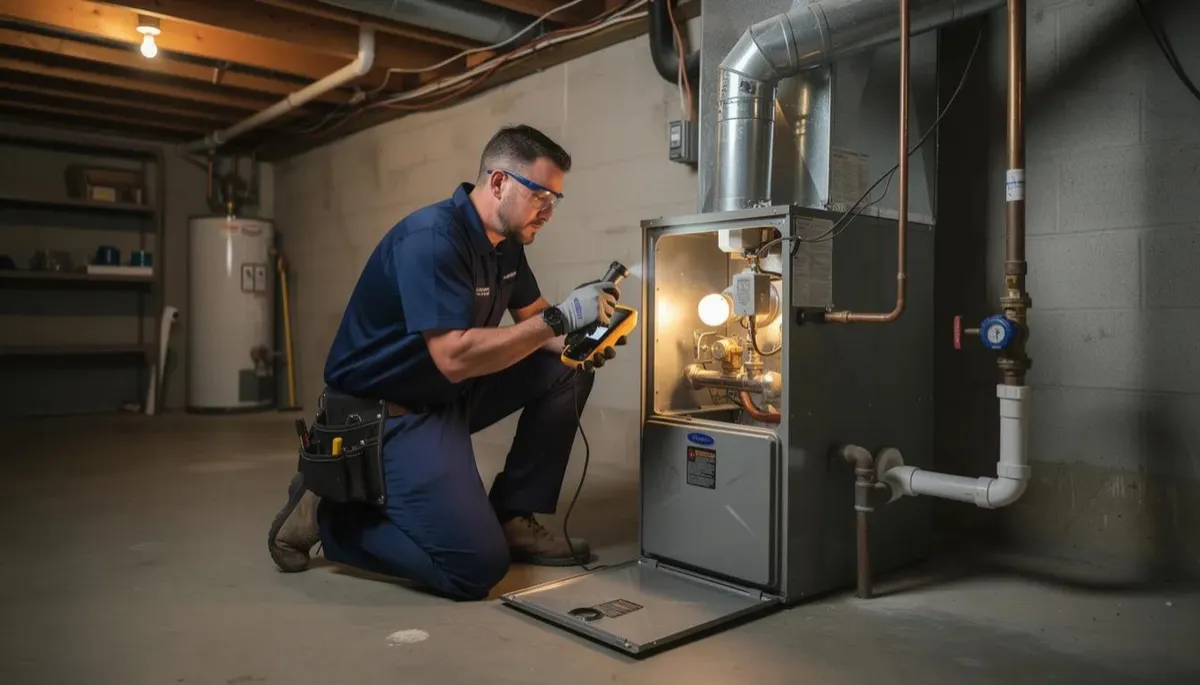
Before You Turn on the Heat: What Every Homeowner Should Check
As temperatures begin to drop across New Jersey, homeowners start relying on their heating systems to keep their homes comfortable. Before the first stretch of cold weather arrives, fall is an excellent time to make sure your heating system and the surrounding areas are ready for the season.
During a home inspection, the heating system is one of the important components evaluated. While a home inspection is not a substitute for professional HVAC maintenance, it can help identify visible concerns and conditions that may warrant further evaluation.
Here are several things homeowners should check before turning up the thermostat this fall.
1. Schedule Heating System Maintenance
If you haven't had your heating system serviced recently, fall is a good time to schedule maintenance with a qualified HVAC professional.
Depending on your system, maintenance may include checking system operation, inspecting relevant components, cleaning or replacing filters, and evaluating safety controls.
Pay attention to unusual noises, persistent odors, frequent cycling, or rooms that aren't heating as expected. These conditions don't automatically mean the system is failing, but they may deserve attention.
Remember: A heating system that turns on is not necessarily a system that has been fully evaluated for safety, efficiency, or remaining service life.
2. Check and Replace the Air Filter
A dirty air filter can restrict airflow and make it harder for a forced-air heating system to operate properly.
Check your filter according to the manufacturer's recommendations and replace it when needed. Make sure you use the correct filter size and type for your equipment.
Not every heating system uses the same type of filter, so follow the manufacturer's instructions.
3. Keep Vents and Registers Clear
Walk through your home and check that supply registers and return-air grilles are not blocked by furniture, rugs, curtains, or stored belongings.
Restricted airflow can affect comfort and system performance. Also, listen for unusual noises and note any rooms that consistently feel much colder than others.
If airflow problems persist, an HVAC professional can help determine the cause.
4. Check Carbon Monoxide and Smoke Detectors
Carbon monoxide is an odorless, potentially deadly gas that can be produced by malfunctioning or improperly vented fuel-burning appliances.
Before heating season:
Test your carbon monoxide and smoke alarms.
Replace batteries or devices as directed by the manufacturer.
Confirm that alarms are installed in the locations required by applicable codes and manufacturer instructions.
Never ignore a carbon monoxide alarm.
If a carbon monoxide alarm sounds, leave the building immediately and call 911 or your local emergency service from outside. Do not re-enter until authorities say it is safe.
5. Pay Attention to Chimneys, Flues, and Venting
Homes with fuel-burning furnaces, boilers, fireplaces, or other combustion appliances may have chimneys or venting systems that need periodic professional evaluation.
Watch for visible damage, loose connections, deterioration, or signs of staining around accessible venting components. Do not dismantle equipment or attempt repairs yourself.
Have chimneys and venting systems inspected and serviced as recommended by qualified professionals. Proper venting is an important part of safe operation.
6. Look for Moisture Around the Heating Equipment
Take a look at the floor and surrounding area near your furnace, boiler, or other heating equipment.
Visible rust, corrosion, water stains, or standing water can indicate a condition that needs further investigation. Some systems also produce condensate during operation, and a blocked or leaking condensate drain can cause water damage.
Keep the area around the equipment clear and follow the manufacturer's requirements for access and clearance. If you notice water or signs of deterioration, have the condition evaluated.
7. Don't Forget the Attic and Insulation
Your heating system isn't the only factor affecting comfort during winter.
Inadequate insulation, air leakage, and ventilation problems can contribute to uneven temperatures, higher energy use, and moisture concerns.
Look for visible gaps or disturbed insulation where safely accessible. Watch for signs of condensation, staining, or moisture in the attic.
Attic ventilation and insulation need to work together appropriately. If you notice concerns, consider an evaluation by a qualified insulation, roofing, or building professional.
8. Check Windows and Exterior Doors
Drafts around windows and doors can make rooms feel colder and increase heating demand.
Check for damaged weatherstripping, deteriorated caulking, loose door sweeps, and visible gaps. Addressing minor air leaks where appropriate can improve comfort.
Also look for signs of water intrusion around window and door frames. Water stains, deteriorated materials, and peeling finishes may point to a moisture issue that needs further evaluation.
When Should You Call a Professional?
Contact a qualified HVAC professional if your heating system fails to operate normally, produces persistent unusual noises or odors, cycles excessively, or shows signs of leakage or deterioration.
Never ignore suspected gas leaks, smoke, or carbon monoxide alarms. Leave the area and contact the appropriate emergency service or utility provider.
A Little Preparation Can Make a Big Difference
Preparing your home for winter doesn't have to be complicated. A few basic checks and timely professional maintenance can help you identify concerns before the coldest weather arrives.
At J Siddons Home Inspections, my goal is not simply to identify problems. It's to help buyers, sellers, and homeowners better understand a property's systems and conditions so they can make informed decisions.
As part of the Fall Into Winter Series, I'll continue sharing practical information about seasonal home maintenance, moisture, roofs and gutters, attics, and winter home safety.
Whether you're buying, selling, or simply taking care of the home you already own, understanding your home is an important first step.
Knowledge Empowers Confidence.
For home inspection services throughout New Jersey, contact J Siddons Home Inspections. Services include home inspections, radon testing, mold inspections, sewer scopes, oil tank sweeps, and water testing.
This article provides general homeowner information and is not a substitute for manufacturer instructions, professional maintenance, or an evaluation by a qualified specialist.

