Attic Ventilation & Insulation After Winter Stress: What Homeowners (and Realtors) Need to Know
Winter puts more stress on a home than most people realize—and one of the most affected areas is the attic. After months of freezing temperatures, snow buildup, and fluctuating thaw cycles, attic ventilation and insulation issues often go unnoticed until they turn into bigger (and more expensive) problems.
As we move into spring, this is one of the most important times to evaluate how your attic performed over the winter.
Why Attics Matter More Than You Think
Your attic acts as the buffer between outdoor conditions and your living space. When it’s not functioning properly, it can lead to:
Moisture buildup
Mold growth
Ice dam damage (from winter)
Reduced energy efficiency
Premature roof wear
Many of these issues start small—but compound quickly.
What Winter Stress Reveals in the Attic
1. Poor Ventilation
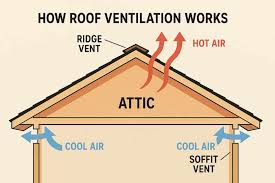
Improper airflow traps warm, moist air inside the attic.
Signs:
Frost buildup on rafters during winter
Damp insulation
Musty odors
Mold or mildew staining
2. Insulation Breakdown
Insulation can shift, compress, or become less effective after a long winter.
Common issues:
Uneven coverage
Low insulation depth
Air gaps around penetrations
Wet or compacted insulation
3. Moisture Intrusion
Winter conditions often expose hidden moisture pathways.
Watch for:
Water staining on sheathing
Rusted nails or fasteners
Mold growth on wood surfaces
Elevated humidity levels
4. Bathroom/Kitchen Venting Issues
A very common issue—fans venting into the attic instead of outside.
Why it matters:
Pumps warm, moist air directly into attic space
Accelerates mold growth
Leads to insulation damage
Why This Matters for Real Estate
For realtors, attic conditions can directly impact deals.
Hidden attic issues often come up during inspections
Can lead to repair negotiations or delays
Buyers are increasingly aware of mold and ventilation concerns
For homeowners, catching these issues early means:
Lower repair costs
Better energy efficiency
Healthier indoor air quality
FAQ: Attic Ventilation & Insulation
How do I know if my attic has poor ventilation?
Common signs include musty smells, damp insulation, visible mold, or excessive heat in summer. Frost buildup in winter is also a key indicator.
Can attic issues really affect my energy bills?
Yes. Poor insulation and ventilation allow heat to escape in winter and enter in summer, making your HVAC system work harder.
Is attic mold dangerous?
It can be. Mold can impact air quality and may spread if moisture issues aren’t corrected. It should always be evaluated and addressed.
How often should an attic be inspected?
At least once a year, and especially after winter. It’s also critical before listing or purchasing a home.
Are bathroom fans supposed to vent into the attic?
No. They should always vent to the exterior. Venting into the attic introduces moisture and can lead to mold and structural issues.
Pro Tip from JSHI
A quick attic check in spring can prevent thousands in repairs later.
Even if everything looks fine from the outside, the attic often tells the real story of how the home handled winter.
Bottom Line
Winter may be over—but its effects aren’t.
Attic ventilation and insulation issues are some of the most overlooked problems that show up during spring inspections. Identifying them early protects your home, your investment, and your next transaction.

